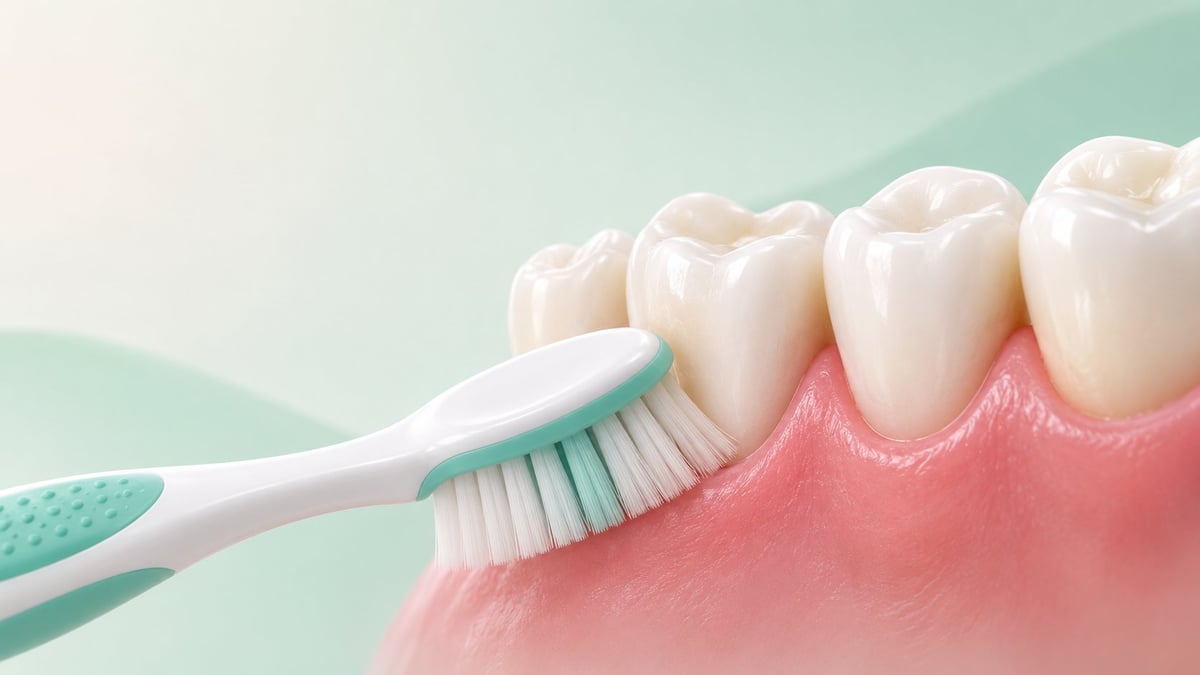
Bleeding gums when brushing can be a sign of gum inflammation, often caused by plaque collecting along the gumline. Brushing too hard, an injury or some medicines can also contribute. Keep cleaning gently and arrange a dental assessment if bleeding happens regularly or worries you.
A little blood on your toothbrush does not tell you how serious the problem is. Your dentist can check the cause and explain whether you need changes to your daily cleaning, professional treatment or further investigation. The Healthdirect guide to dental bleeding explains why frequent or heavy bleeding needs assessment.
- Continue gentle brushing and cleaning between your teeth.
- Book an assessment for recurring bleeding, even if your gums do not hurt.
- Seek urgent care for bleeding that will not stop or facial swelling. Call 000 if swelling makes breathing difficult.
Why do gums bleed when you brush?
Plaque and gingivitis
Plaque is a sticky layer of bacteria that builds up on teeth. When it remains around the gumline, it can irritate the gums. They may become red, swollen or bleed when you brush or clean between your teeth.
This early form of gum disease is called gingivitis. It can improve with appropriate professional care and daily cleaning. You can read more about its causes and symptoms in Healthdirect's gingivitis guide.
Brushing pressure, medicines and other causes
A hard brushing technique can injure your gums. Bleeding can also occur after dental treatment or a mouth injury. Pregnancy can make gums more susceptible to inflammation, and blood-thinning medicines can make bleeding more noticeable.
Tell your dentist about your medicines and any recent changes to your health. Do not change prescribed medicine yourself; ask the clinician who prescribes it for advice. The American Dental Association's bleeding gums information describes several of these causes.
Does bleeding mean you have gum disease?
Bleeding is a reason to have your gums checked, but it cannot confirm a diagnosis on its own. Gingivitis affects the gums. More advanced gum disease, called periodontitis, can damage the bone and tissues that support the teeth.
Gum disease does not always cause pain. Receding gums, teeth becoming loose or teeth changing position also need assessment. The Australian Dental Association explains the difference between gingivitis and periodontitis in its guide to gum diseases.
A dental check-up and clean gives you an opportunity to discuss bleeding and have your gum health assessed. The findings determine what treatment is appropriate.
How to clean your teeth when your gums bleed
Use a soft brush and gentle pressure
Brush twice a day for two minutes with a soft toothbrush and fluoride toothpaste. Clean along the gumline gently. Pressing harder can damage your teeth and gums, and does not make brushing more effective.
If you are unsure about your technique, ask your dental practitioner to show you. The Australian Dental Association's toothbrushing guidance covers brush choice, pressure and daily habits.
Keep cleaning between your teeth
A toothbrush cannot reach all the spaces between teeth. Clean these spaces every day using floss or another suitable tool, such as interdental brushes. Ask which option and technique suit your mouth.
Avoid snapping floss into the gums. If an area bleeds, clean it carefully rather than repeatedly scrubbing it. The Australian Dental Association advises that bleeding alone is not a reason to stop cleaning between your teeth. Recurring bleeding still needs a dental check.
Our general dentistry services include assessment of everyday dental concerns, including gum health.
When should you contact a dentist?
Arrange an appointment if bleeding keeps returning, your gums look swollen or you notice a change that concerns you. Do not wait for pain before asking for advice. Tell reception when the bleeding started and whether it happens with brushing, eating or without an obvious trigger.
Seek urgent dental or medical advice if bleeding will not stop, or you have facial swelling, significant pain or signs of infection such as fever. If swelling makes breathing difficult, call 000. Healthdirect's swollen gums guidance explains these warning signs.
For an urgent dental concern in Murwillumbah, call (02) 6672 1068 so our team can check appointment availability. Read about our emergency dental care before your visit.
What happens at a gum health assessment?
Your dentist will examine your mouth and ask about your symptoms and cleaning routine. Mention any medical conditions, medicines, recent dental work or injury. Bring a list if that makes it easier to remember.
Ask what the examination shows and whether a routine clean is sufficient. More advanced gum disease may need a different treatment plan or specialist care. You can also ask for a demonstration of cleaning techniques and a recommended review interval.
Our general dentistry services include assessment of everyday dental concerns. Discuss the proposed treatment, alternatives and fees before deciding how to proceed.
Common questions about bleeding gums
Should I stop brushing the area that bleeds?
Continue gentle cleaning unless your treating practitioner has given you specific instructions, such as after surgery. Use a soft brush and ask for advice about recurring bleeding.
Can bleeding gums improve at home?
Daily cleaning can help control plaque, but you may also need professional care. An examination helps establish the cause and whether home care alone is enough.
Can I have gum disease without pain?
Yes. Periodontitis may develop without pain. Bleeding or changes in your gums deserve attention even when your teeth feel comfortable.
Arrange a gum health assessment in Murwillumbah
If your gums bleed when brushing, contact Murwillumbah Dental or call (02) 6672 1068. Our practice is at 144 Murwillumbah St, Murwillumbah NSW 2484. Tell our team about your symptoms when booking so they can help arrange an appropriate appointment.
This article provides general information. A dental examination is needed to assess your symptoms and recommend care for your situation.